

![How Often Should You Service a Sewing Machine? [2026 Guide]](https://bestsewingmachinefebe7e.zapwp.com/wp-content/uploads/2026/07/featured-49-600x600.webp?src=jpg)


What is the best first sewing machine for a total beginner?
We are a participant in the Amazon Services LLC Associates Program, an affiliate advertising program designed to provide a means for sites to earn advertising fees by advertising and linking to Amazon.com. As an Amazon Associate I earn from qualifying purchases. We also participate in other affiliate programs.
The best sewing machine for beginners is a computerized model with an automatic needle threader, a drop-in bobbin, and at least 25 to 30 built-in stitches, since those three features remove most of the friction that makes new sewists quit in the first month. Mechanical machines from Singer and Janome still make sense for a tight budget or a first-time buyer who wants a simpler dial-based layout with fewer things to go wrong.
| Brother XM2701 Sewing Machine with 27 Stitches |  | Best Overall | Built-in Stitches: 27 stitches | Buttonhole Type: 1-step auto-size | Threading System: Automatic needle threader | VIEW LATEST PRICE | Read Our Analysis |
| Brother GX37 Sewing Machine 37 Built-in Stitches | 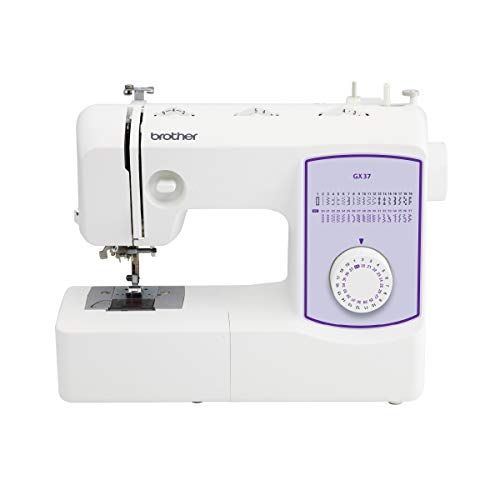 | Most Stitches | Built-in Stitches: 37 stitches | Buttonhole Type: Automatic one-step | Threading System: Automatic needle threader | VIEW LATEST PRICE | Read Our Analysis |
| Brother XR3774 Sewing Machine with 37 Stitches |  | Best for Quilting | Built-in Stitches: 37 stitches | Buttonhole Type: 1-step | Threading System: Automatic needle threader | VIEW LATEST PRICE | Read Our Analysis |
| SINGER 4411 Heavy Duty Sewing Machine with Accessories |  | Best for Denim & Heavy Fabric | Built-in Stitches: 11 stitches | Buttonhole Type: 4-step | Threading System: Manual threading | VIEW LATEST PRICE | Read Our Analysis |
| Janome Blue Couture Sewing Machine for Beginners | 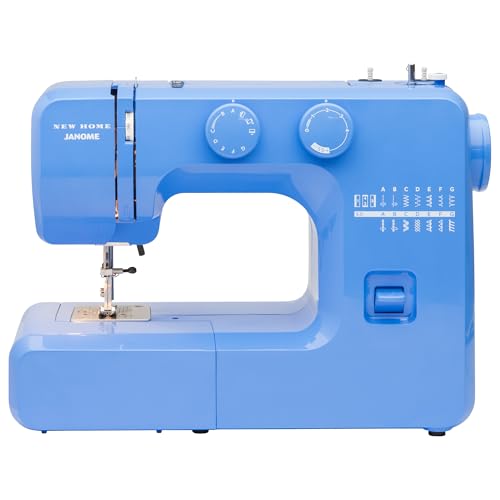 | Best Mechanical | Built-in Stitches: 15 stitches | Buttonhole Type: 4-step | Threading System: Automatic needle threader | VIEW LATEST PRICE | Read Our Analysis |
See the full breakdown of all eleven machines we tested, including kits and portable options, in our complete sewing machine comparison.
This is the first real decision, and it matters more than any single feature on the spec sheet. A computerized sewing machine, like Brother’s CS7000X, uses a small LCD screen and push-button stitch selection instead of a dial. You get more built-in stitches (often 60 to 100+), programmable stitch combinations, and finer control over stitch width and length. The tradeoff is a steeper first afternoon: more menus, more settings, and a machine that’s harder to fully understand by feel.
A mechanical sewing machine uses a dial to pick the stitch and usually tops out at 15 to 37 stitches. What you lose in stitch count you gain in transparency: every setting is a physical dial you can see and feel, which makes mechanical faults easier to diagnose yourself instead of calling a repair shop. Most sewing teachers still recommend a mechanical machine for a true first-timer, then a computerized upgrade once you know you’ll keep sewing past the first few projects.
Budget rule of thumb: a solid mechanical beginner machine runs $100 to $180. A computerized beginner machine with a real screen and 60+ stitches starts around $200 and climbs quickly once you add embroidery.
Sewing machine marketing tends to blur brands together, but each of the names you’ll see in comparison charts has a real reputation built over decades, and it’s worth knowing before you buy.
For a genuine first machine, Brother and Singer cover almost every beginner scenario. Janome is the natural step up if either feels too basic. Baby Lock, Juki, Bernina, and Viking are worth researching once you know sewing is sticking, not before.
Spec sheets list dozens of features. For a beginner, only a handful change the day-to-day experience of learning to sew.
Threading a needle by hand, dozens of times a session, is the single most common reason new sewists get frustrated and quit early. An automatic needle threader turns a fiddly 30 to 60 second task into a two-second lever pull. If a machine has only one automated feature, this is the one to insist on.
A top drop-in bobbin, visible through a clear cover, lets you see thread supply at a glance and load it in seconds. Front-loading bobbins work fine but require more practice to seat correctly. Thread tension, meanwhile, is the setting beginners fight with most: if stitches look loose on top or loop underneath, tension needs adjusting before you touch anything else on the machine.
A 1-step (auto-size) buttonhole measures the button and sews a matching hole in one pass. A 4-step buttonhole requires manually switching between four settings and lining each pass up by eye. One-step is objectively easier and worth prioritizing if you plan to sew garments with buttons early on.
Most beginner machines ship with 4 to 8 presser feet: general-purpose, zipper, blind hem, and buttonhole at minimum. A walking foot (sold separately on most beginner machines) is worth adding early if you plan to quilt, since it feeds multiple fabric layers evenly and prevents shifting.
Anything under 15 pounds is easy to lift onto a table and store in a closet between sessions, which matters if you don’t have a dedicated sewing space. Heavier machines (SINGER’s 4411 at close to 16 pounds is a good example) trade portability for a more stable, jam-resistant metal frame, which is worth it if the machine will live permanently on one table.
 ByMari
Janome typically offers superior build quality with metal frames for…
ByMariMost home machines last 5 to 25 years depending on…
ByMariCompare mechanical vs computerized sewing machines: costs, durability, features, and…
ByMariYes – a used sewing machine is worth buying if…
ByMariBrother machines generally offer better value and ease of use…
ByMariJuki excels at high-speed straight stitching and industrial-grade durability for…
ByMariOld machines win on durability and straight-stitch reliability with all-metal…
ByMariFind out why most quilters overlook this crucial feature—and how…
For most total beginners, a mechanical machine with an automatic needle threader and a 1-step buttonhole, like the Brother XM2701 or Janome Blue Couture, is the easiest starting point. It has enough stitches for real projects without the added learning curve of a screen-based computerized machine.
Only if you already know you’ll sew regularly. A computerized machine like the Brother CS7000X gives you more stitches and finer control, but the extra menus add a real learning curve in week one. Most sewing teachers suggest starting mechanical and upgrading once the basics feel automatic.
Yes, as long as it has a free arm and can accept a walking foot. The Brother XR3774 is a common beginner pick for quilting specifically because it ships with a wide table and enough throat space to manage larger quilt blocks.
Not for a first machine. Baby Lock and Juki build genuinely better motors and longer-lasting mechanisms, but the price difference only pays off once you’re sewing often enough to feel the limits of an entry Brother or Singer model. Start cheaper, upgrade once you know your own habits.
Most true beginner machines are sewing-only. Combination sewing and embroidery machines exist (several Brother and Baby Lock models do both), but they cost significantly more and add another full set of software and hooping skills to learn. Master straight sewing first.