
Most sewing machines need professional servicing once a year if used regularly (several times per week), while light users can stretch it to every 18-24 months. Heavy users, quilters, garment makers, or anyone sewing daily, should service their machines every 6-8 months or after every major project to prevent costly breakdowns and maintain stitch quality.
Key Takeaways
- Regular users (several times weekly) should service their sewing machine annually
- Heavy users (daily sewing, quilting, thick fabrics) need servicing every 6-8 months
- Light users (monthly or less) can extend servicing to every 18-24 months
- Professional servicing costs $75-150 on average, depending on machine type and location
- Cleaning and oiling between services (every 8-10 hours of sewing) extends machine life
- Computerized machines may need more frequent check-ups than mechanical models
- Skipping service leads to timing issues, thread tension problems, and expensive repairs
- Watch for warning signs: skipped stitches, unusual noises, thread breaking, or jamming
- New machines should get their first service after 12 months or heavy initial use
- DIY maintenance helps but doesn’t replace professional servicing
How Often Should You Service a Sewing Machine Based on Usage?
The frequency of professional sewing machine servicing depends primarily on how much you use your machine. A machine used daily needs attention far more often than one pulled out for occasional hemming projects.
Here’s a practical breakdown:
Heavy users (5-7 days per week, quilting, garment construction, thick fabrics):
- Service every 6-8 months
- These machines accumulate lint faster and experience more mechanical wear
- Professional seamstresses and quilters often service quarterly
Regular users (2-4 days per week, mixed projects):
- Service annually (once per year)
- This is the standard recommendation for most home sewers
- Covers typical hobbyist and enthusiast usage
Light users (monthly or less, simple repairs and alterations):
- Service every 18-24 months
- Even unused machines benefit from occasional professional attention
- Lubricants can dry out and dust accumulates over time
Choose more frequent servicing if you:
- Sew with heavy fabrics like denim, canvas, or upholstery materials
- Work on large projects (quilts, curtains, multiple garments)
- Notice any performance issues between scheduled services
- Use your machine for business or income-generating work
What Happens If You Never Service Your Sewing Machine?
Skipping professional servicing leads to progressive deterioration that starts with minor annoyances and escalates to expensive repairs or complete machine failure. The damage accumulates gradually, so many sewers don’t notice until problems become severe.
Immediate consequences (within 1-2 years of skipped service):
- Thread tension becomes inconsistent and difficult to adjust
- Lint and dust buildup in the bobbin case causes jamming
- Dried lubricant creates friction, making the machine run louder
- Stitches become uneven or start skipping
- Thread breaks more frequently during sewing
Long-term damage (after 3+ years without service):
- Timing mechanisms slip out of alignment, causing needle and hook to miss each other
- Motor works harder due to friction, shortening its lifespan
- Internal gears wear unevenly, leading to mechanical failure
- Rust develops on metal parts in humid environments
- Feed dogs become clogged and stop moving fabric properly
Financial impact: A neglected machine that needs timing adjustment, new gears, and motor repair can cost $200-400 to fix, often 2-3 times the cost of regular annual servicing. In some cases, the repair cost exceeds the machine’s value, especially for entry-level models.
Common mistake: Many sewers assume that because their machine “still works,” it doesn’t need service. Performance degradation happens so gradually that you adapt to poor stitch quality without realizing it until you see what the machine should actually produce.
Signs Your Sewing Machine Needs Servicing Right Now
Your sewing machine will tell you when it needs professional attention through specific performance issues. Don’t wait for your scheduled service if you notice any of these warning signs.
Immediate red flags:
- Skipped stitches that cleaning and rethreading don’t fix
- Unusual noises like grinding, clicking, or squeaking that weren’t there before
- Thread breaking repeatedly, even with fresh thread and new needles
- Bobbin jamming or thread nesting underneath the fabric
- Inconsistent stitch length that varies without adjusting settings
- Difficulty turning the handwheel or increased resistance
- Burning smell from the motor area during use
- Needle hitting the throat plate or bobbin case
- Fabric not feeding smoothly or pulling to one side
Performance issues that indicate service is overdue:
- Tension adjustments no longer produce the expected results
- Machine runs noticeably slower than when new
- Presser foot pressure seems weak or inconsistent
- Buttonholes come out uneven or irregular
- Decorative stitches look distorted or incomplete
When to call immediately versus finishing your project: If you smell burning, hear metal-on-metal grinding, or see the needle striking metal parts, stop sewing immediately. These issues can cause catastrophic damage. Minor tension problems or occasional skipped stitches can usually wait until you finish your current seam, but schedule service within the week.
What’s the Difference Between Cleaning and Servicing a Sewing Machine?
Cleaning and servicing are complementary but distinct maintenance activities. Understanding the difference helps you maintain your machine properly between professional appointments.
Regular cleaning (you do this yourself every 8-10 hours of sewing):
- Remove lint from bobbin case, feed dogs, and tension discs
- Brush out dust from accessible areas
- Oil designated points according to your manual
- Change needles regularly
- Wipe down exterior surfaces
- Takes 10-15 minutes
Professional servicing (technician does this annually or as needed):
- Complete disassembly of outer casing to access internal mechanisms
- Deep cleaning of areas you can’t reach (motor housing, internal gears)
- Timing adjustment to ensure needle and hook synchronize perfectly
- Tension system calibration and adjustment
- Replacement of worn parts (belts, gears, springs)
- Lubrication of all internal moving parts with proper machine oil
- Electrical system inspection (computerized machines)
- Testing all stitch functions and making precise adjustments
- Takes 1-3 hours depending on machine complexity
Why you can’t replace professional service with home cleaning: Even the most diligent home maintenance can’t access the internal mechanisms where critical adjustments happen. Timing, for example, requires specialized tools and expertise, if the needle and hook are even slightly out of sync, you’ll get skipped stitches no matter how clean the machine is.
The ideal combination: Clean your machine yourself regularly (every 8-10 hours of sewing or monthly, whichever comes first) AND get professional service on the schedule appropriate for your usage level. Think of it like car maintenance, you check your oil regularly, but you still need professional tune-ups.
How Much Does Sewing Machine Servicing Cost in 2026?
Professional sewing machine servicing typically costs between $75 and $150 for a standard annual service, though prices vary based on machine type, location, and the extent of work needed.
Average cost breakdown:
| Machine Type | Basic Service | With Repairs |
|---|---|---|
| Basic mechanical | $75-100 | $100-200 |
| Mid-range mechanical | $85-125 | $125-250 |
| Computerized/electronic | $100-150 | $150-350 |
| Industrial machines | $125-200 | $200-500+ |
| Vintage/antique | $100-175 | $150-400 |
What’s included in the base price:
- Complete cleaning and lubrication
- Timing check and adjustment
- Tension calibration
- Belt inspection and adjustment
- Testing all functions
- Minor adjustments
Additional costs that may apply:
- Replacement parts (belts, gears, springs): $15-75 per part
- Major repairs (motor, circuit boards): $100-300+
- Rush service: additional $25-50
- Pickup and delivery: $20-40
- Extensive rust removal or restoration: $50-150
Geographic variations: Urban areas and specialty sewing machine shops typically charge 20-30% more than rural repair services. Authorized brand dealers (Bernina, Janome, etc.) often charge premium rates but provide manufacturer-trained technicians.
Cost-saving tips:
- Many shops offer discounts if you bring your machine in during slow seasons (January-March)
- Some dealers include free first-year service with new machine purchases
- Group servicing (bringing multiple machines) sometimes earns a discount
- Regular maintenance reduces the likelihood of expensive emergency repairs
Is it worth the cost? A $100 annual service protects a $500-3,000 investment and prevents repairs that often cost 2-3 times more. For machines used regularly, the cost per hour of sewing is minimal compared to the frustration and expense of breakdowns.

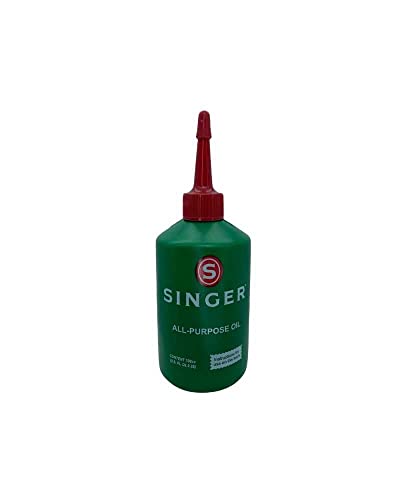
Clear Non Staining Oil: The crystal clear odorless formula makes this sewing machine oil the perfect lubricant for textile applications, completely solving slow stalls and buzzing on your machine, while also reducing friction and preventing rust! Makes using your sewing machine easier and more enjoyable.

Packing list: The sewing machine tool kit includes 1 curved nose tweezers, 1 double headed lint brush, 2 needle board screwdrivers, 4 flat head cross head screwdrivers, 2 seam rippers, 4 silicone brushes, 14 pieces in total; Different styles of screwdrivers and brushes, a sufficient number of tools are enough to meet your daily needs for cleaning and repairing your sewing machine
Can You Service Your Sewing Machine Yourself or Do You Need a Professional?
You can and should perform basic maintenance yourself between professional services, but complete servicing requires specialized knowledge, tools, and access to internal mechanisms that DIY maintenance can’t provide.
What you CAN do yourself:
✅ Regular cleaning:
- Remove and clean the bobbin case
- Brush lint from feed dogs and tension discs
- Clean under the throat plate
- Wipe down exterior surfaces
✅ Basic lubrication:
- Oil designated points shown in your manual
- Use only sewing machine oil (never WD-40 or household oils)
- Apply sparingly, one drop per point
✅ Simple adjustments:
- Change needles regularly (every 8-10 hours of sewing)
- Adjust thread tension within normal range
- Replace bobbin case if worn
- Tighten loose screws on presser foot or needle plate
✅ Troubleshooting:
- Rethread correctly when issues arise
- Check for bent needles or incorrect needle installation
- Verify you’re using appropriate thread and needle for fabric
What you CANNOT do yourself (requires professional):
❌ Timing adjustments: Requires specialized tools and precise measurements, attempting this yourself usually makes problems worse
❌ Internal cleaning: Disassembling the casing voids warranties and risks damaging delicate components
❌ Electrical repairs: Computerized machines have circuit boards that need diagnostic equipment
❌ Motor service: Motor issues require specific expertise and replacement parts
❌ Gear replacement: Internal gears must be properly aligned and lubricated
❌ Calibration: Professional-grade adjustments to tension systems, feed dogs, and stitch formation
The DIY limit: If you can’t access it without removing the outer casing or if your manual says “authorized service only,” leave it to professionals. Modern computerized machines especially have sensitive electronics that DIY attempts can damage permanently.
Best approach: Master the maintenance tasks in your owner’s manual and perform them religiously. This extends the time between professional services and keeps your machine running smoothly, but schedule professional service on the appropriate timeline for your usage level regardless of how well you maintain it yourself.

KEEPS MACHINES RUNNING SMOOTH - Crystal-clear, non-staining light oil (ISO VG-10) made from highly refined mineral oil; odorless, resists gumming; quiets hook/bobbin, shafts & bearings.

✅Clear & Residue‑Free: Made with ISO VG‑10 light machine oil, this premium sewing machine oil is crystal clear, won’t stain fabric, and leaves no residue. Helps reduce sticking and annoying humming noise, keeping the needle bar, bobbin area and bearings smooth and like new for longer.

LARGE CAPACITY SEWING MACHINE OIL KIT – ZUAON sewing machine oil kit includes 33.8 oz / 1 liter machine lubricating oil, 2 refill bottles, and 2 funnels for routine maintenance, refill use, sewing rooms, craft studios, and repair benches.
Do Industrial Sewing Machines Need More Frequent Servicing Than Home Machines?
Yes, industrial sewing machines require more frequent professional servicing, typically every 3-6 months compared to annually for home machines, because they run at higher speeds, operate for longer periods, and handle heavier workloads.
Why industrial machines need more attention:
- Speed: Industrial machines run at 3,000-5,000 stitches per minute versus 800-1,000 for home machines
- Duration: Often operate 6-8 hours daily in production environments
- Workload: Handle thicker fabrics and multiple layers continuously
- Precision requirements: Commercial work demands consistent stitch quality
- Cost of downtime: A broken industrial machine stops business operations
Recommended service schedule for industrial machines:
Heavy production (8+ hours daily):
- Professional service every 3-4 months
- Daily operator maintenance (cleaning, oiling)
- Weekly deep cleaning of accessible areas
Moderate production (4-6 hours daily):
- Professional service every 4-6 months
- Daily basic cleaning and oiling
- Bi-weekly thorough cleaning
Light industrial use (occasional production runs):
- Professional service every 6-8 months
- Clean and oil after each production period
Daily operator maintenance is critical: Industrial machine operators typically perform 10-15 minutes of maintenance at the start and end of each shift, including:
- Cleaning lint from bobbin area and feed dogs
- Oiling designated points
- Checking thread tension
- Inspecting needle condition
- Verifying smooth operation
Common mistake: Small business owners sometimes treat industrial machines like home machines, servicing them only annually. This leads to premature wear, inconsistent stitch quality, and expensive repairs that could shut down production for days.
Cost consideration: While more frequent servicing costs more upfront ($400-800 annually versus $100-150 for home machines), it’s far cheaper than lost production time, rush repairs, or premature machine replacement.
How Often Should You Oil a Sewing Machine Between Services?
Oil your sewing machine every 8-10 hours of actual sewing time, or at minimum once monthly if you sew regularly, to maintain smooth operation between professional services. Light users who sew less than monthly should oil before each sewing session.
Oiling frequency by usage:
- Daily sewers: Oil every 2-3 days or weekly
- Regular sewers (several times weekly): Oil weekly or every 8-10 hours of use
- Occasional sewers (monthly): Oil before each sewing session
- Rare users (few times per year): Oil before use, even if it’s been sitting idle
Why regular oiling matters: Sewing machines have multiple moving metal parts that create friction. Proper lubrication reduces wear, keeps the machine running quietly, and prevents heat buildup that can damage internal components. Oil also helps prevent rust in humid environments.
How to oil correctly:
- Consult your manual first,some modern machines are self-lubricating and shouldn’t be oiled
- Use only sewing machine oil (clear, lightweight mineral oil), never use WD-40, 3-in-1 oil, or cooking oil
- Apply one drop to each designated point, more isn’t better
- Run the machine for a few minutes to distribute oil
- Wipe away any excess oil before sewing on fabric
Where to oil (typical locations, but always check your manual):
- Bobbin hook race
- Needle bar
- Presser bar
- Any visible pivot points or moving parts
- Areas specified in your owner’s manual
Machines that don’t need oiling: Many modern computerized machines have sealed, self-lubricating mechanisms. Check your manual, if it doesn’t mention oiling or specifically says “no oiling required,” don’t add oil. These machines still need professional servicing for internal maintenance.
Signs you’re not oiling enough:
- Machine runs louder than usual
- Handwheel feels stiff or resistant
- Stitches become irregular
- Machine feels “sticky” when running
Signs you’re oiling too much:
- Oil spots appear on fabric
- Excess oil attracts more lint and dust
- Oil drips from the machine
Is Annual Servicing Necessary If You Barely Use Your Sewing Machine?
Yes, even rarely-used sewing machines benefit from professional servicing every 18-24 months, though you can extend the interval longer than heavy users. Machines that sit idle face different problems than heavily-used ones, lubricants dry out, dust accumulates, and rubber parts can deteriorate.
Why unused machines still need service:
- Lubricant degradation: Oil dries out or becomes gummy over time, even without use
- Dust accumulation: Dust settles into mechanisms and can harden into deposits
- Rubber deterioration: Belts and gaskets can crack or lose elasticity from age alone
- Rust risk: Humidity causes rust on metal parts, especially in basements or garages
- Verification: A technician confirms the machine will work properly when you need it
Recommended schedule for light users:
Sew monthly or less:
- Professional service every 18-24 months
- Clean and oil before each use
- Store properly with a cover
Sew a few times per year:
- Professional service every 2-3 years
- Run the machine briefly every few months to keep parts moving
- Oil before storage and before use
Stored/unused machines:
- Service before returning to regular use if stored more than 2 years
- Consider service every 3-5 years even if unused, especially for valuable machines
Cost-benefit consideration: For a $150-300 entry-level machine used rarely, you might reasonably skip professional service if it’s working fine, cleaning and oiling it yourself instead. For machines worth $500+, the service cost is insurance against deterioration and ensures it’s ready when you need it.
When to definitely service a rarely-used machine:
- Before starting a major project after months of non-use
- If it’s been stored in a damp basement, garage, or attic
- After moving or transporting the machine
- If you notice any performance issues when you do use it
- For vintage or valuable machines regardless of use frequency
Storage tip: If you know you won’t use your machine for 6+ months, clean it thoroughly, oil it lightly, and cover it with a breathable fabric cover (not plastic, which traps moisture). This reduces deterioration during storage.
What Does a Professional Sewing Machine Service Include?
A comprehensive professional sewing machine service includes complete disassembly, deep cleaning, timing adjustment, lubrication of all internal parts, tension calibration, parts inspection, and testing of all functions, work that goes far beyond what home maintenance can accomplish.
Standard service checklist:
Disassembly and cleaning:
- Remove outer casing to access internal mechanisms
- Clean motor housing and internal gears
- Remove hardened grease and lint from inaccessible areas
- Clean and polish bobbin hook and race
- Clean tension assemblies thoroughly
- Brush out dust from all internal components
Lubrication:
- Apply proper machine oil to all moving parts
- Grease gears where specified by manufacturer
- Lubricate motor bearings if accessible
- Oil all pivot points and sliding mechanisms
Timing and adjustments:
- Check and adjust needle-to-hook timing
- Calibrate upper and lower thread tension
- Adjust feed dog height and timing
- Set presser foot pressure correctly
- Align needle bar and presser bar
- Adjust take-up lever timing
Inspection and replacement:
- Inspect belts for wear and proper tension
- Check gears for wear or damage
- Examine electrical connections (computerized machines)
- Test motor function and speed control
- Inspect needle plate and feed dogs for burrs
- Check bobbin case for wear or damage
- Replace worn parts as needed (additional cost)
Testing:
- Test all stitch patterns and functions
- Verify buttonhole quality
- Check reverse and needle position functions
- Test at various speeds
- Sew test samples on different fabric weights
Documentation:
- Note any issues found
- Record parts replaced
- Provide recommendations for future care
- Update service history
Computerized machine additions:
- Software updates if available
- Electronic component testing
- Circuit board inspection
- Sensor calibration
- LCD screen and button function testing
Time required: A thorough service takes 1-3 hours depending on machine complexity and condition. Beware of “15-minute service” offers, proper servicing cannot be rushed.
What’s NOT typically included (costs extra):
- Major part replacements beyond basic wear items
- Extensive rust removal or restoration
- Cosmetic repairs or repainting
- Carrying case repair
- Accessory replacement
How Often Should You Service a Computerized Sewing Machine Versus a Mechanical One?
Computerized sewing machines generally need professional servicing at the same frequency as mechanical machines based on usage (annually for regular users), but they require more specialized attention and may need additional electronic diagnostics that mechanical machines don’t.
Service frequency comparison:
Both types follow the same usage-based schedule:
- Heavy use: Every 6-8 months
- Regular use: Annually
- Light use: Every 18-24 months
Key differences in servicing needs:
Computerized machines require:
- Electronic diagnostics and sensor calibration
- Software updates when available
- Circuit board inspection
- More careful handling of sensitive components
- Technicians trained in electronic systems
- Potentially higher service costs ($100-150 vs. $75-100)
Mechanical machines require:
- More frequent manual adjustments (no electronic compensation)
- Simpler troubleshooting
- More DIY-friendly maintenance
- Lower service costs
- Wider availability of qualified technicians
Why computerized machines aren’t necessarily more fragile: Modern computerized machines are reliable, but when they do have problems, those problems often require specialized knowledge. A mechanical timing issue might affect both types, but a computerized machine might also have sensor or software issues that a mechanical machine can’t have.
Maintenance differences:
Computerized machines:
- Often have self-lubricating systems (check your manual)
- May require less frequent oiling
- Need protection from power surges (use surge protector)
- Benefit from occasional software updates
- Should be unplugged when not in use
Mechanical machines:
- Require regular manual oiling
- More forgiving of DIY maintenance attempts
- No electronic components to worry about
- Can often be serviced by general repair technicians
Common misconception: Many sewers believe computerized machines need more frequent service. In reality, they need the same frequency but different expertise. A well-maintained computerized machine is just as reliable as a mechanical one.
Choosing service: For computerized machines, seek technicians specifically trained on electronic sewing machines or authorized brand dealers. For mechanical machines, experienced general sewing machine repair technicians are usually sufficient.
Common Mistakes People Make Maintaining Their Sewing Machine
Sewing machine owners frequently make preventable maintenance errors that lead to poor performance, expensive repairs, or shortened machine life. Avoiding these mistakes keeps your machine running smoothly between professional services.
Top maintenance mistakes:
Using the wrong oil or lubricants:
- ❌ WD-40, 3-in-1 oil, or household lubricants damage sewing machines
- ❌ These products leave residue, attract lint, and gum up mechanisms
- ✅ Use only clear sewing machine oil or the specific product your manual recommends
Over-oiling:
- ❌ More oil doesn’t mean better lubrication
- ❌ Excess oil attracts dust, creates sticky buildup, and stains fabric
- ✅ One drop per designated point is sufficient
Neglecting regular cleaning:
- ❌ Waiting until the machine jams to clean it
- ❌ Only cleaning visible areas while lint builds up internally
- ✅ Clean every 8-10 hours of sewing, especially the bobbin area
Using compressed air incorrectly:
- ❌ Blowing compressed air into the machine forces lint deeper into mechanisms
- ❌ High pressure can damage delicate parts
- ✅ Use a small brush to remove lint, or vacuum with low suction
Ignoring the owner’s manual:
- ❌ Assuming all machines maintain the same way
- ❌ Oiling machines that are self-lubricating
- ✅ Follow your specific machine’s maintenance instructions
Continuing to sew when problems arise:
- ❌ Forcing the machine to work through jams or unusual noises
- ❌ “It still sews, so it’s fine” mentality
- ✅ Stop immediately when you notice problems and troubleshoot
Using old or wrong needles:
- ❌ Keeping the same needle for months or multiple projects
- ❌ Using universal needles for all fabrics
- ✅ Change needles every 8-10 hours and match needle type to fabric
Skipping professional service:
- ❌ “I clean it myself, so I don’t need service”
- ❌ Waiting until the machine breaks to seek professional help
- ✅ Schedule preventive service based on your usage level
Improper storage:
- ❌ Leaving the machine uncovered in dusty or humid areas
- ❌ Storing with the presser foot down (stresses springs)
- ✅ Cover when not in use, store in climate-controlled space, raise presser foot
DIY timing adjustments:
- ❌ Attempting to adjust timing without proper tools or knowledge
- ❌ Following generic YouTube tutorials for specific machine problems
- ✅ Leave timing and internal adjustments to professionals
Using cheap thread:
- ❌ Bargain thread sheds lint and breaks frequently
- ❌ Old thread becomes brittle and causes tension problems
- ✅ Invest in quality thread appropriate for your project
Not testing after maintenance:
- ❌ Assuming everything is fine after cleaning or oiling
- ❌ Starting a project immediately without test stitching
- ✅ Always sew test samples on scrap fabric after any maintenance
Do New Sewing Machines Need Servicing Right Away?
New sewing machines don’t need immediate professional servicing but should receive their first service after 12 months of ownership or after heavy initial use (100+ hours of sewing), whichever comes first. The break-in period actually helps parts settle into proper alignment.
First service timeline:
Standard recommendation:
- First professional service at 12 months after purchase
- This applies to most home sewers with regular use
- Manufacturer warranties often require service records starting at one year
Heavy initial use:
- Service after 100 hours of sewing if you reach that before 12 months
- Quilters completing large projects may hit this quickly
- New business owners using machines intensively
Light use:
- Can extend first service to 18 months if you sew infrequently
- Still perform regular cleaning and oiling yourself
Why new machines don’t need immediate service:
- Modern machines are precisely calibrated at the factory
- Initial break-in period (first 10-20 hours) allows parts to seat properly
- Premature servicing can actually disrupt factory settings
- Warranty coverage protects against manufacturing defects
What you SHOULD do with a new machine:
✅ Read the entire owner’s manual before first use ✅ Test all functions to ensure everything works correctly ✅ Keep your receipt and warranty information organized ✅ Register your machine with the manufacturer ✅ Start regular cleaning and oiling according to the manual ✅ Use quality thread and appropriate needles from the beginning ✅ Document any issues that arise during the warranty period
When to service a new machine early:
- If you notice performance problems (skipped stitches, tension issues, unusual noises)
- After a shipping incident or if the machine was dropped
- If you purchased a floor model or display machine
- When buying used machines marketed as “new” or “like new”
Warranty considerations: Most manufacturers require proof of regular maintenance to honor warranties. Keep service records starting with your first professional service at 12 months. Some dealers include free first-year service with purchase, take advantage of this even if the machine seems fine.
Break-in period: Some technicians recommend a gentle break-in for the first 10-20 hours, avoid extremely thick fabrics or high-speed sewing initially. This allows mechanical parts to settle and lubricants to distribute properly.
How to Find a Good Sewing Machine Repair Technician Near You
Finding a qualified sewing machine technician requires research beyond a simple Google search. The right technician has specific training, proper tools, and experience with your machine type.
Where to start your search:
Authorized dealers:
- Contact the manufacturer or check their website for authorized service centers
- Best option for high-end or computerized machines still under warranty
- Technicians receive brand-specific training
- May cost 20-30% more but offer expertise and genuine parts
Local sewing machine shops:
- Independent shops often service multiple brands
- Usually less expensive than authorized dealers
- May offer pickup and delivery services
- Support local small businesses
Quilting and fabric stores:
- Many offer repair services or can recommend trusted technicians
- Staff often have personal experience with local repair quality
- May offer classes on basic maintenance
Online resources:
- Sewing machine manufacturer websites (service locator tools)
- Sewing forums and Facebook groups for local recommendations
- Yelp and Google reviews (read carefully, look for specific details)
Questions to ask before choosing a technician:
“What brands and types of machines do you service?”
- Ensure they have experience with your specific machine
- Computerized machines require different expertise than mechanical
“What training or certifications do you have?”
- Factory-trained technicians have manufacturer-specific knowledge
- Years of experience matter, especially for vintage machines
“What’s included in a standard service?”
- Should include cleaning, timing check, lubrication, and testing
- Beware of vague answers or “quick service” promises
“How long will the service take?”
- Typical turnaround: 1-2 weeks
- Rush service may be available for additional cost
- Avoid shops with 6+ week backlogs unless highly recommended
“Do you provide a written estimate?”
- Reputable shops assess the machine and provide cost estimates
- Should explain what repairs are needed and why
“What’s your warranty on service and parts?”
- Good technicians stand behind their work (30-90 day warranty typical)
- Parts should be warrantied separately
Red flags to avoid:
❌ No physical shop location (mobile-only services can be risky) ❌ Unwilling to provide references or show credentials ❌ Pressure to authorize expensive repairs immediately ❌ Extremely low prices that seem too good to be true ❌ Poor communication or difficulty reaching them ❌ Negative reviews mentioning returned machines in worse condition ❌ “We can fix anything” claims without asking about your specific machine
Green flags indicating quality:
✅ Asks detailed questions about your machine and problems ✅ Provides clear, written estimates before starting work ✅ Explains what they found and why repairs are needed ✅ Shows you the old parts they replaced ✅ Offers maintenance tips and answers questions patiently ✅ Has an organized, professional shop with proper tools ✅ Provides a written receipt with service details
Cost and value: The cheapest option isn’t always the best value. A skilled technician who properly services your machine and prevents future problems is worth $20-30 more than someone who does superficial work.
Building a relationship: Once you find a good technician, stick with them. They’ll learn your machine’s history and can spot developing problems early. Many technicians offer loyalty discounts or priority scheduling for regular customers.

Packing list: The sewing machine tool kit includes 1 curved nose tweezers, 1 double headed lint brush, 1 needle board screwdrivers, 4 flat head cross head screwdrivers, 2 seam rippers, 12 silicone brushes, 21 pieces in total;For daily cleaning and maintenance of sewing machines.

【Complete Sewing Machine Tool Set】: This 15-piece sewing machine cleaning kit and sewing machine cleaner kit includes a complete set of tools for maintenance and repair, making it a reliable sewing cleaning kit for daily machine care. It features 1 curved tweezers, 1 double-ended brush, 1 flat head screwdriver and 1 cross head screwdriver, 1 needle plate screwdriver, 2 flathead butterfly screwdrivers, 2 seam rippers, 5 silicone cleaning brushes, and 1 storage case. The perfect nook and cranny cleaning tools sewing machine.

【Package includes】- 1 pcs curved nose tweezers, 1 pcs double-ended fluff brush, 1 pcs needle board screwdriver and 4 pcs screwdrivers, 7 pcs in total. Different styles of screwdrivers, a sufficient number of tools are sufficient for your daily cleaning and repair needs.
Frequently Asked Questions
How do I know if my sewing machine needs servicing or just cleaning?
If basic cleaning, rethreading, and a new needle don’t solve your problem, you need professional servicing. Issues like skipped stitches that persist after cleaning, unusual noises, timing problems, or tension that won’t adjust properly require a technician’s expertise and tools.
Can I damage my sewing machine by servicing it too often?
No, you cannot harm your machine with too-frequent professional servicing. However, it’s unnecessary and expensive to service more often than your usage requires. Stick to the recommended schedule based on how much you sew, annual service for regular users is sufficient.
Should I service my sewing machine before or after a big project?
Service your machine before starting a major project, not after. This ensures optimal performance when you need it most and prevents mid-project breakdowns. After completing a large project, perform thorough cleaning and oiling, then schedule service based on your regular maintenance timeline.
Do I need to service a sewing machine I inherited or bought used?
Yes, always have a used or inherited machine professionally serviced before regular use. You don’t know its maintenance history, and old lubricants may have dried out or become gummy. A technician can assess its condition, make necessary adjustments, and tell you if it’s worth investing in repairs.
What’s the difference between a tune-up and a full service?
These terms are often used interchangeably, but some shops use “tune-up” for basic cleaning and minor adjustments, while “full service” includes complete disassembly and thorough internal work. Always ask specifically what’s included rather than assuming based on terminology.
Will servicing void my sewing machine warranty?
Servicing by unauthorized technicians may void your warranty, while skipping required maintenance definitely will. During the warranty period, use only authorized service centers and keep all service records. After warranty expiration, you can choose any qualified technician.
How long does professional sewing machine servicing take?
Most shops need 1-2 weeks for standard service, though the actual work takes 1-3 hours. Turnaround time depends on the shop’s backlog. Some offer rush service for an additional fee. Avoid shops promising same-day service unless it’s a genuine emergency, thorough servicing cannot be rushed.
Can I service my own vintage sewing machine?
You can perform basic cleaning and oiling on vintage machines, but professional service is especially important for older models. Vintage machines often need specialized knowledge, may require hard-to-find parts, and benefit from technicians experienced with older mechanisms. Many vintage machines are valuable and worth professional care.
Should I service my backup sewing machine if I rarely use it?
Service backup machines every 2-3 years even with minimal use, or before you plan to use them for a project. Lubricants dry out and parts can deteriorate from sitting idle. At minimum, run the machine briefly every few months and oil it to keep parts moving.
What should I do if my machine needs service but I’m in the middle of a project?
If the machine is still functioning adequately, finish your current project, then immediately schedule service. If performance issues are affecting your work quality or you hear concerning noises, stop and seek service, continuing to use a malfunctioning machine can cause more expensive damage.
Do embroidery machines need more frequent servicing than regular sewing machines?
Yes, embroidery machines typically need service every 6-12 months depending on use because they have more complex mechanisms, additional moving parts, and computerized components. The constant start-stop motion and precise positioning requirements create more wear than straight sewing.
Is it worth servicing an old, inexpensive sewing machine?
If the service cost exceeds 50% of the machine’s replacement value and it’s working adequately, consider putting that money toward a new machine instead. However, if you’re attached to the machine or it has sentimental value, servicing is worthwhile regardless of monetary value.
Conclusion
Understanding how often to service your sewing machine protects your investment and ensures consistent, frustration-free sewing. Most regular users need annual professional servicing, while heavy users should schedule appointments every 6-8 months and light users can extend to 18-24 months. Between professional services, maintain your machine with regular cleaning and oiling every 8-10 hours of sewing.
Don’t wait for your machine to break down before seeking professional help. Watch for warning signs like skipped stitches, unusual noises, or tension problems, and address them promptly. Remember that home maintenance, no matter how thorough, cannot replace professional servicing, which includes timing adjustments, internal cleaning, and calibration that only trained technicians can perform.
Take action now:
- Check your records to see when your machine was last professionally serviced
- Schedule service if it’s been longer than recommended for your usage level
- Establish a cleaning routine between professional appointments
- Find a qualified technician before you need emergency repairs
- Keep service records to track your machine’s maintenance history
Your sewing machine is a precision tool that rewards regular care with years of reliable performance. Invest in proper maintenance now to avoid expensive repairs and project delays later. Whether you’re quilting, garment-making, or crafting, a well-maintained machine makes every project more enjoyable and successful.


