
Quick Answer
Yes, you should prewash most fabrics before sewing to prevent shrinkage, remove chemicals, and test for colorfastness. Cotton, linen, rayon, and other natural fibers benefit most from prewashing, while some specialty fabrics like wool suiting or fabrics with special finishes should not be prewashed. The decision depends on your fabric type, project purpose, and desired final result.
Key Takeaways
- Prewashing prevents shrinkage in finished garments, especially important for natural fibers like cotton and linen that can shrink 3-5% or more
- Cotton, linen, rayon, and denim should almost always be prewashed before cutting and sewing
- Skip prewashing for wool suiting, dry-clean-only fabrics, and materials with special finishes that washing would damage
- Prewashing removes sizing, chemicals, and excess dye that can cause skin irritation or color bleeding
- Quilters debate prewashing, but it’s essential if you’re mixing new and vintage fabrics or want a crisp, modern finish
- Common mistakes include using hot water on delicates and forgetting to finish raw edges before washing
- Proper prewashing technique matters: wash similar to how you’ll care for the finished item, dry appropriately, and press before cutting
- Beginners should prewash to avoid disappointment from shrinkage in their first projects
- The main downside of not prewashing is unpredictable shrinkage that can ruin a finished garment after the first wash
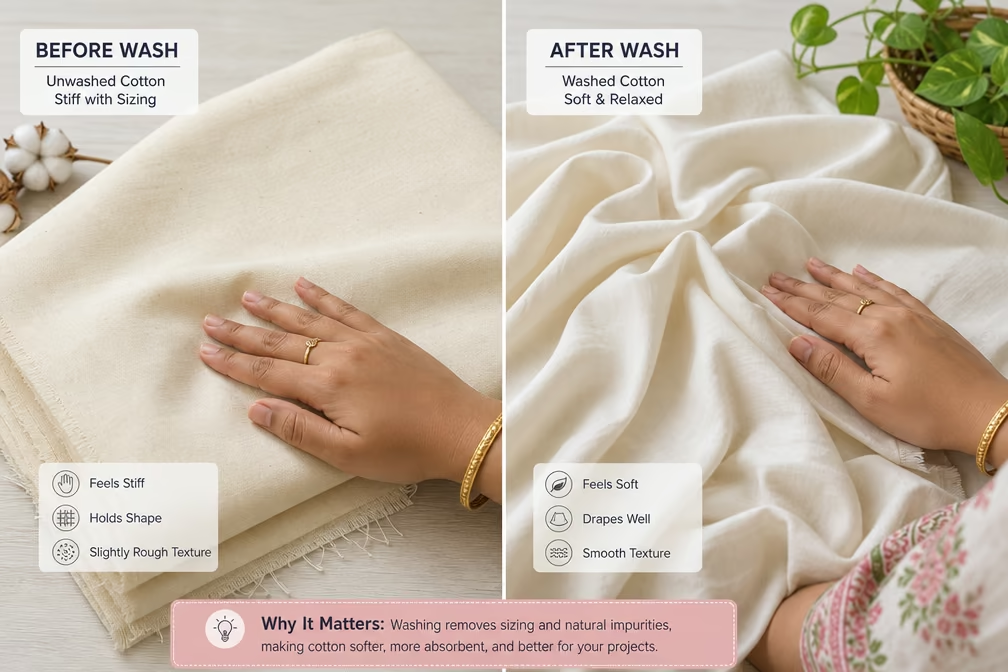
What Does Prewashing Fabric Mean?
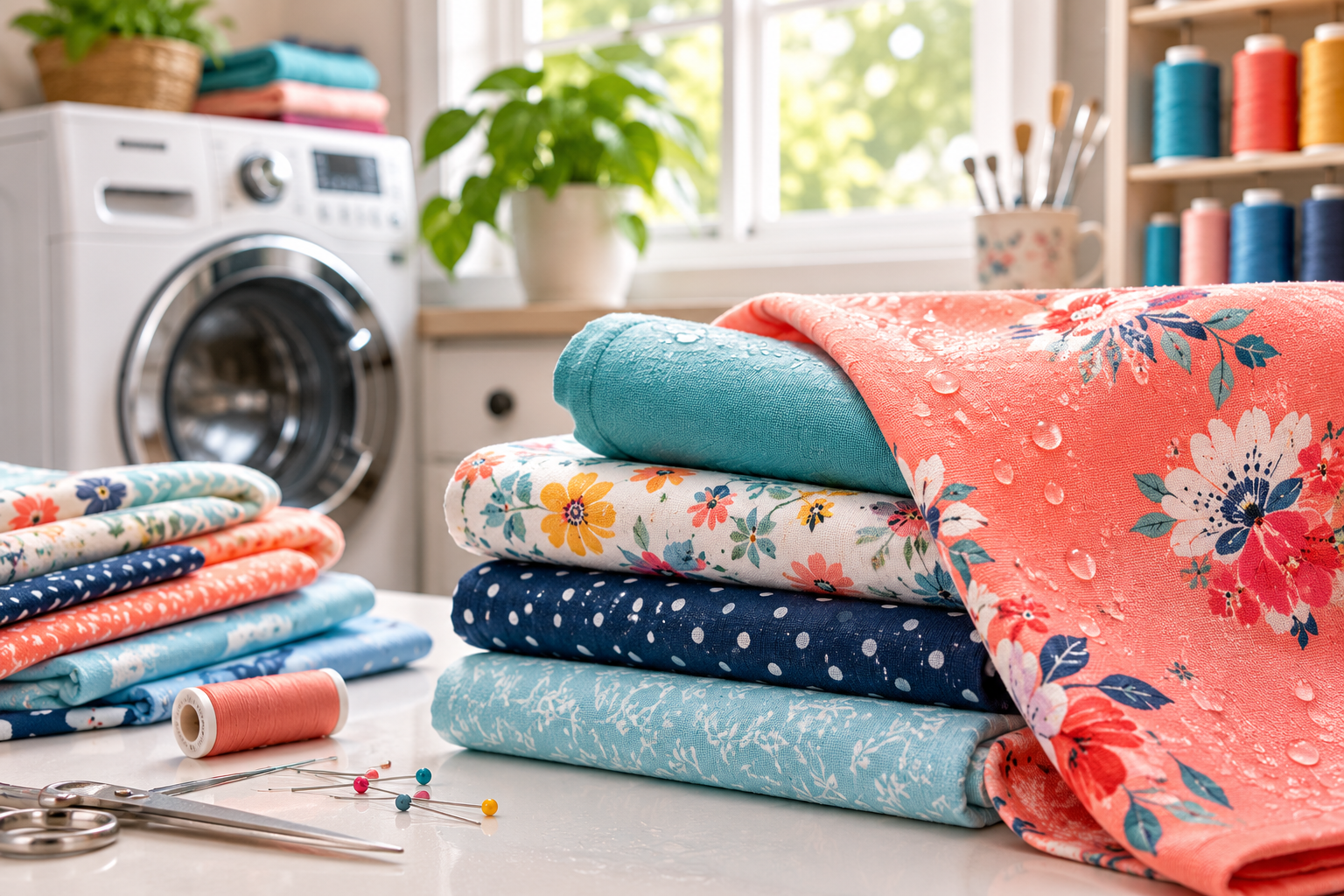
Prewashing fabric means laundering your fabric before you cut and sew it into a project. This process involves washing, drying, and pressing the fabric using methods similar to how you’ll care for the finished item.
When fabric comes off the bolt at a store, it often contains:
- Sizing: A starch-like coating that makes fabric stiff and easier to handle during manufacturing
- Chemical residues: From dyeing, printing, and finishing processes
- Excess dye: Particularly in dark or vibrant colors
- Natural oils and dirt: From handling and storage
Prewashing removes these substances and allows the fabric to shrink before you invest time in cutting and sewing. The fabric you work with after prewashing is what you’ll get in the finished project after future washes.
Choose to prewash if you’re making garments, home décor items, or quilts that will be laundered regularly. Skip it only when you have a specific reason related to the fabric type or desired finish.
Why Do People Prewash Fabric Before Sewing?
People prewash fabric to control shrinkage, remove irritants, and ensure their finished projects look and fit as intended after the first wash. This simple step prevents the frustration of a perfectly sewn garment becoming unwearable after laundering.
Here are the main reasons sewers prewash:
Shrinkage control: Natural fibers shrink when exposed to water and heat. Cotton can shrink 3-5%, linen up to 4%, and rayon sometimes 5-8%. A dress that fits perfectly before washing might become too short or tight without prewashing.
Chemical removal: Fabric manufacturers apply sizing, formaldehyde-based wrinkle resisters, and other chemicals. These can irritate sensitive skin or cause allergic reactions. Prewashing eliminates most of these substances.
Colorfast testing: Dark fabrics, especially reds and blacks, often release excess dye. Prewashing reveals whether colors will bleed and allows you to treat the problem before it ruins your project or other laundry items.
Texture improvement: Sizing makes fabric stiff and unnatural. After prewashing, you can feel the true drape and hand of the fabric, which helps you decide if it’s right for your project.
Grain straightening: Washing and drying can help restore the fabric’s grain if it was pulled off-grain during manufacturing or storage.
For fabric sewing projects that will be washed regularly, prewashing is an investment in the longevity and appearance of your finished item.

Professional-Grade Textile Detergent – Jacquard Synthrapol detergent is specially formulated for pre-washing and post-dyeing, ensuring that fabrics are clean and ready for optimal dye penetration while removing excess dye after coloring

Protects Delicate Fabrics – Protects silk, wool, and other fine materials from damage while providing a thorough clean

LUXURIOUSLY CLEANSING LAUNDRY DETERGENT - Treat your wardrobe and linen to the all-day refreshing power of DIVA Wash! This luxurious detergent is safe for all washers and gentle on sensitive on skin.
What Happens If You Don’t Prewash Fabric Before Sewing?
If you skip prewashing, your finished project will shrink the first time you wash it, potentially ruining the fit, proportions, and appearance. The amount of damage depends on the fabric type and how much it naturally shrinks.
Common problems from skipping prewash:
- Garments become too small: A shirt that fit perfectly might shrink enough that sleeves become too short or the body becomes tight across the chest
- Uneven shrinkage: Different fabric pieces (like lining versus outer fabric) may shrink at different rates, causing puckering and distortion
- Color bleeding: Dark fabrics can bleed onto lighter fabrics in the same project, creating permanent stains
- Seam puckering: When fabric shrinks but thread doesn’t, seams can pucker and look unprofessional
- Warped quilts: Quilts made with unwashed fabric can develop waves and distortions after the first wash
When not prewashing works:
Some sewers intentionally skip prewashing for specific effects. Quilters who want a vintage, crinkled look often use unwashed fabric because the first wash creates a puckered, antique appearance. Tailors working with wool suiting never prewash because it would damage the fabric’s structure.
The key is making an informed choice. If you skip prewashing, understand the risks and plan accordingly. For most beginner sewing projects, prewashing is the safer choice.
Does Prewashing Prevent Fabric Shrinkage?
Yes, prewashing prevents shrinkage in your finished project by allowing the fabric to shrink before you cut and sew it. The fabric completes most of its shrinking during the prewash, so your finished item maintains its size and shape through future launderings.
How shrinkage works:
Natural fibers like cotton and linen are made from plant cellulose that swells when exposed to water. Heat from drying causes the fibers to contract and relax into a smaller, more stable state. Synthetic fibers generally shrink less, but blends can still shrink significantly depending on the natural fiber content.
Shrinkage by fabric type:
- Cotton: 3-5% in both length and width
- Linen: 3-4%, sometimes more in length
- Rayon: 5-8%, one of the highest shrinkage rates
- Wool: 2-5% if washed improperly (can felt if agitated)
- Denim: 3-5%, especially in length
- Polyester: Less than 1%, minimal shrinkage
- Cotton-poly blends: 2-3%, depending on cotton percentage
Important note: Prewashing doesn’t prevent all future shrinkage. If you prewash in cold water but later wash the finished garment in hot water, additional shrinkage may occur. Always prewash using the same temperature and drying method you’ll use for the finished item.
For projects where precise measurements matter, prewashing is essential. This is especially true for garment sewing where fit is critical.
Prewash vs No Prewash: Pros and Cons
The decision to prewash or not involves trade-offs between fabric stability and ease of handling. Understanding both sides helps you make the right choice for each project.
| Aspect | Prewashing | Not Prewashing |
|---|---|---|
| Shrinkage | ✅ Fabric shrinks before cutting; finished item stays true to size | ❌ Finished item will shrink unpredictably after first wash |
| Ease of Cutting | ❌ Fabric may fray more; edges can be wavy | ✅ Sizing keeps fabric crisp and easy to cut accurately |
| Chemical Exposure | ✅ Removes irritants, sizing, and excess dye | ❌ Chemicals remain in fabric against skin |
| True Drape | ✅ Shows actual fabric hand and drape | ❌ Sizing creates artificial stiffness |
| Time Investment | ❌ Adds 1-2 hours (wash, dry, press) | ✅ Start sewing immediately |
| Color Bleeding | ✅ Removes excess dye before it can stain | ❌ Risk of color transfer in finished item |
| Vintage Quilt Look | ❌ Creates modern, flat appearance | ✅ First wash creates crinkled, antique look |
Bottom line: For most projects, especially garments and items that will be washed frequently, the pros of prewashing far outweigh the cons. The small time investment prevents major disappointment later.
Which Fabrics Must Be Prewashed Before Sewing?
Natural fiber fabrics and fabrics with high shrinkage rates must be prewashed before sewing to prevent disaster in the finished project. These fabrics undergo significant dimensional changes when exposed to water and heat.
Always prewash these fabrics:
Cotton (all types): Quilting cotton, cotton lawn, cotton voile, and cotton sateen all shrink 3-5%. Even preshrunk cotton benefits from prewashing because “preshrunk” doesn’t mean “won’t shrink anymore.”
Linen: This natural fiber shrinks 3-4% and softens considerably after washing. The texture change is dramatic, so prewashing is essential to understand what you’re working with.
Rayon and viscose: These cellulose-based fabrics can shrink 5-8% and may become distorted if not handled carefully. Always prewash in cool water and lay flat or hang to dry.
Denim: Shrinks 3-5%, especially in length. Dark denim also releases significant dye, so prewashing prevents color transfer to other fabrics or your skin.
Cotton-linen blends: Combine the shrinkage characteristics of both fibers. Always prewash.
Flannel: Shrinks more than regular cotton (4-6%) and frays easily. Finish edges with a zigzag stitch before washing.
Chambray: Similar to denim, shrinks and may release dye.
Choose prewashing for these fabrics if you’re making garments, quilts, or home décor items that will be machine washed. The only exception is if you’re intentionally seeking a vintage, puckered look in quilts.
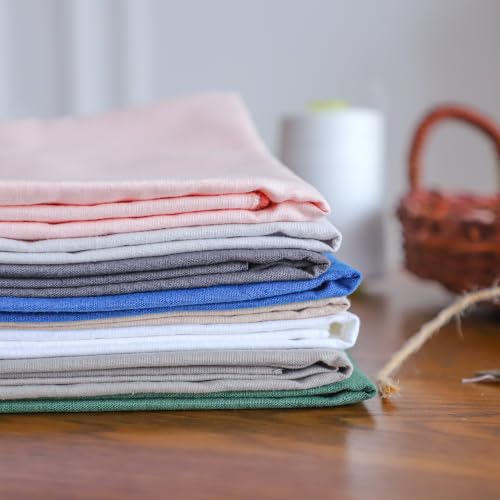
[Size & Dimensions]: Each piece measures 55 inches x 1 yard (36 inches/91.44cm), 150GSM, 4oz, perfect for various DIY projects. The fabric is pre-cut to 1 yard x 55 inches. When you purchase multiple quantities, you will receive separate 1-yard pieces, not a continuous length

Organic natural pure 100% linen fabric, plain, solid colour
Can You Skip Prewashing Cotton Fabric?
You can skip prewashing cotton only if you’re making a quilt and want a vintage, crinkled appearance after the first wash, or if you’re making a muslin test garment. For all other cotton projects, prewashing is strongly recommended.
When skipping cotton prewash works:
- Vintage-style quilts: Some quilters prefer the puckered, antique look that develops when unwashed cotton shrinks around the batting after the first wash
- Muslin fitting shells: If you’re making a test garment to check fit before cutting into expensive fabric, you can skip prewashing the cheap muslin
- Immediate disposal items: Projects you’ll throw away or donate without washing
Why skipping is risky:
Cotton’s 3-5% shrinkage translates to significant size changes. A 40-inch long dress can shrink 1.5-2 inches in length. Sleeves become too short, waistbands become tight, and carefully matched seams no longer align.
The “preshrunk” myth: Fabric labeled “preshrunk” has been treated to reduce shrinkage, but it will still shrink somewhat. The label means the manufacturer has already shrunk it once, not that it won’t shrink again.
Best practice: Prewash cotton in warm water (the temperature you’ll use for the finished item), tumble dry on medium heat, and press before cutting. This ensures your finished project maintains its size and shape through years of wear and washing.
For reliable results in sewing techniques, treat prewashing cotton as a non-negotiable step unless you have a specific artistic reason to skip it.
How to Prewash Fabric Properly Without Damaging It
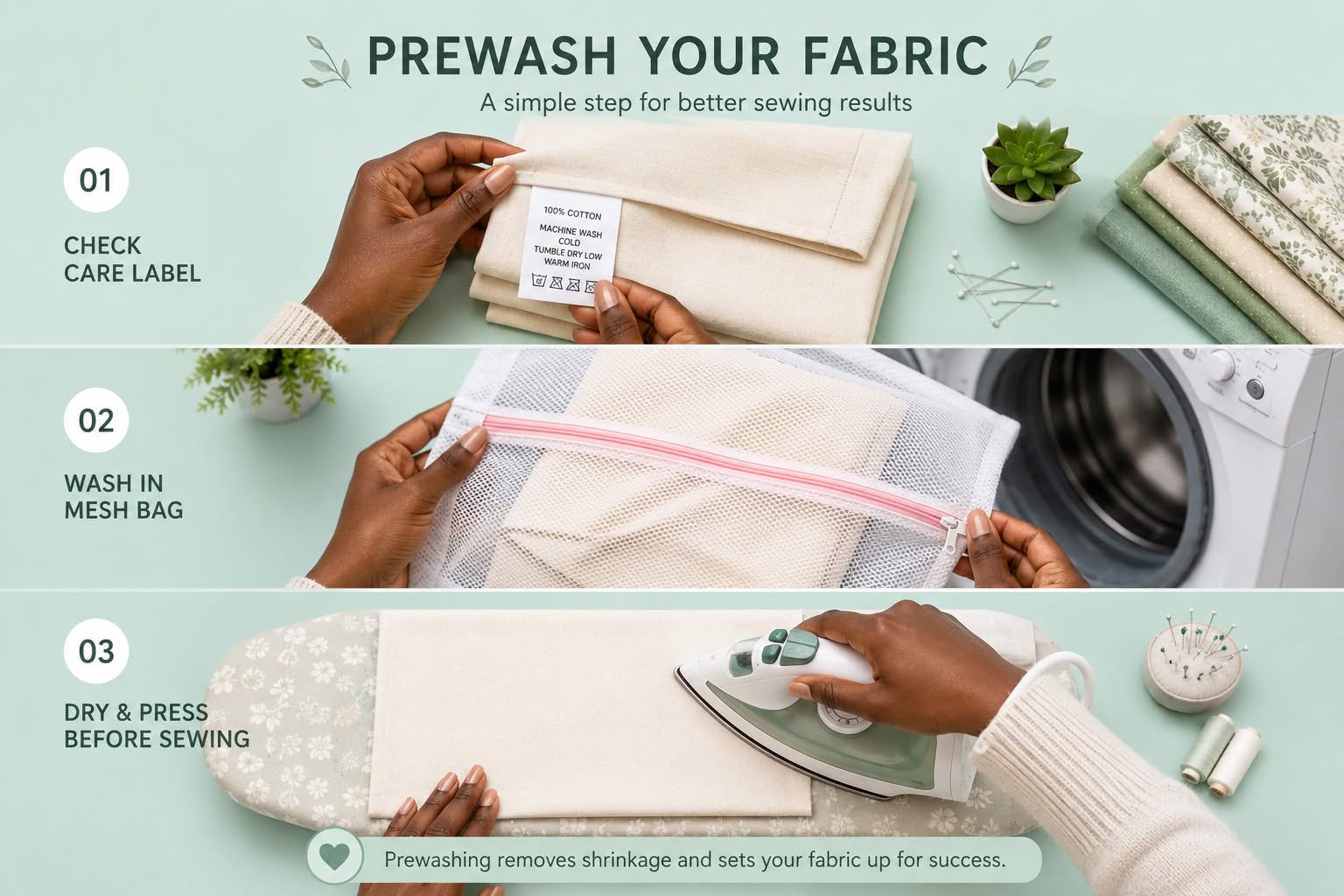
Prewash fabric using the same method you’ll use to care for the finished item: wash at the appropriate temperature, dry using the correct method, and press before cutting. This approach ensures your fabric behaves predictably throughout the project’s lifetime.
Step-by-step prewashing process:
Check the fiber content: Read the bolt end or label to understand what you’re working with. Natural fibers need different care than synthetics.
Finish raw edges (for fabrics that fray): Run a zigzag stitch or serge along cut edges of fabrics like linen, rayon, and flannel. This prevents excessive fraying and tangling in the wash.
Separate by color: Wash darks separately from lights, especially reds, blacks, and deep blues that may bleed.
Use appropriate water temperature:
- Cotton and linen: Warm to hot water
- Rayon and delicates: Cool to lukewarm water
- Dark colors: Cool water to minimize dye loss
- Wool: Cool water, gentle cycle (or hand wash)
Choose the right detergent: Use a mild detergent without optical brighteners or harsh chemicals. For dark fabrics, consider a color-safe detergent.
Dry appropriately:
- Cotton and linen: Tumble dry on medium heat
- Rayon: Lay flat or hang to dry (tumble drying can cause excessive shrinkage)
- Wool: Lay flat to dry (never tumble dry)
- Delicates: Hang or lay flat
Press while slightly damp: Remove fabric from the dryer when still slightly damp, or mist dried fabric with water. Press with an iron at the appropriate temperature for the fiber type.
Straighten the grain: As you press, gently pull the fabric to align the crosswise and lengthwise grains at right angles.
Common mistake to avoid: Don’t wash delicate fabrics like rayon or silk on hot or tumble dry them on high heat. This causes excessive shrinkage and can permanently damage the fibers.
If you’re experiencing issues with fabric feeding during sewing, properly prewashed and pressed fabric can help prevent many common problems.

LAUNDRY DETERGENT ADDITIVE: Add Lysol Laundry Sanitizer to every wash, in the fabric softener drawer, to sanitize and deodorize smelly laundry. Lysol Laundry Sanitizer kills many bad odors that detergents leave behind.
LAUNDRY DETERGENT ADDITIVE: Add Lysol Laundry Sanitizer to every wash, in the fabric softener drawer, to sanitize and deodorize smelly laundry. Lysol Laundry Sanitizer kills many bad odors that detergents leave behind.

One 5 lb box of OxiClean Odor Blasters Versatile Odor Eliminator and Stain Remover Powder laundry booster to get out tough stains and stubborn smells
Do You Need to Prewash Fabric for Quilting?
Whether to prewash fabric for quilting depends on your desired aesthetic and whether you’re mixing new and old fabrics. Modern quilters are divided on this issue, with valid arguments on both sides.
Prewash quilting fabric if:
- You’re mixing new fabric with vintage or previously washed fabric (different shrinkage rates will distort the quilt)
- You want a crisp, modern, flat appearance in the finished quilt
- You’re concerned about dye bleeding from dark fabrics
- You have sensitive skin or are making a baby quilt (to remove chemicals)
- You’re using fabrics with unknown fiber content or quality
Skip prewashing quilting fabric if:
- You want a vintage, crinkled, antique appearance (the first wash creates beautiful puckering around the quilting stitches)
- You’re using all new, high-quality quilting cotton from the same manufacturer
- You prefer the crisp, easy-to-cut quality of fabric with sizing
- You’re making an art quilt that won’t be washed
The vintage quilt effect: Many quilters love the puckered, soft appearance that develops when an unwashed quilt is washed for the first time. The fabric shrinks around the batting and quilting stitches, creating texture and an heirloom look. This only works if all fabrics shrink at similar rates.
Color bleeding concerns: Always test dark fabrics for colorfastness, even if you don’t prewash. Wet a corner of the fabric and press it against a white paper towel. If color transfers, either prewash repeatedly until it stops bleeding, or choose a different fabric.
Best practice for beginners: Prewash all quilting fabric until you’re experienced enough to predict how different fabrics will behave. This prevents disappointment and ensures your quilt remains beautiful through many washes.
Prewashing Fabric for Beginners: Is It Necessary?
Yes, beginners should prewash fabric for nearly all projects because it eliminates the most common cause of project failure: unexpected shrinkage. As a new sewer, you’re investing significant time and effort into learning skills; prewashing protects that investment.
Why prewashing matters more for beginners:
Limited experience predicting fabric behavior: Experienced sewers can sometimes judge which fabrics might be safe to skip prewashing. Beginners don’t yet have this intuition.
Emotional investment: Your first projects carry significant emotional weight. The disappointment of a shrunken first dress or quilt can discourage you from continuing to sew.
Budget concerns: Beginners often work with budget fabrics that may have inconsistent quality or higher shrinkage rates. Prewashing reveals problems before you cut.
Skill development: Working with prewashed fabric that behaves predictably helps you develop sewing skills without the added variable of fabric instability.
Simple rule for beginners: If the finished project will ever be washed, prewash the fabric first. This applies to:
- Garments (shirts, dresses, pants, skirts)
- Quilts and blankets
- Pillowcases and cushion covers
- Tote bags and pouches
- Kitchen items (napkins, towels, aprons)
Projects where beginners can skip prewashing:
- Muslin test garments
- Practice projects you’ll throw away
- Decorative items that will never be washed (wall hangings, ornaments)
As you gain experience, you’ll develop judgment about when to break the prewashing rule. Until then, make it a standard part of your process. Proper preparation, including prewashing, sets you up for success just as much as maintaining your equipment with regular sewing machine service.
Common Mistakes When Prewashing Fabric
Even experienced sewers make prewashing mistakes that can damage fabric or fail to achieve the intended results. Avoiding these errors ensures your fabric is properly prepared for sewing.
Top prewashing mistakes:
Using the wrong water temperature: Washing delicate fabrics like rayon or silk in hot water causes excessive shrinkage and can permanently damage fibers. Always match water temperature to the fabric type and how you’ll care for the finished item.
Skipping edge finishing: Fabrics that fray easily (linen, rayon, flannel) can create a tangled mess in the washer if you don’t finish the edges first. Run a zigzag stitch or serge along cut edges before washing.
Washing darks with lights: Dark fabrics, especially reds and blacks, can bleed onto lighter fabrics during prewashing. Always separate by color, just as you would with regular laundry.
Over-drying: Leaving fabric in the dryer until bone-dry makes it harder to press and can set wrinkles. Remove fabric while slightly damp for easier pressing and better results.
Forgetting to press: Prewashed fabric often comes out of the dryer wrinkled and off-grain. Always press fabric before cutting to ensure accurate measurements and straight cuts.
Not testing for colorfastness first: Some fabrics bleed so much that they need multiple washes or special treatment. Test dark fabrics before throwing them in with other fabric.
Using fabric softener: Fabric softener can leave a residue that interferes with sewing and may affect how the fabric accepts dye or paint in future projects. Skip it for fabric you plan to sew.
Prewashing dry-clean-only fabrics: Some fabrics like wool suiting, silk dupioni, or fabrics with special finishes should never be washed at home. Check the bolt end or label before prewashing.
Not accounting for significant shrinkage: Rayon and linen can shrink substantially. Buy extra yardage (10-15% more) to account for shrinkage if you’re working with these fabrics.
Mixing fabric types: Don’t wash heavy denim with delicate cotton lawn. The agitation and weight differences can damage delicate fabrics.
If you’re experiencing issues like fabric jamming or thread bunching, check that your fabric was properly prewashed and pressed. Many sewing machine problems are actually fabric preparation issues.
Does Prewashing Affect Fabric Color or Texture?
Yes, prewashing affects both color and texture, usually for the better. Fabric becomes softer, more drapey, and more pleasant to work with, while excess dye is removed to prevent future bleeding.
Color changes from prewashing:
Dye loss: Dark fabrics, especially reds, blacks, and deep blues, release excess dye during the first wash. This is normal and desirable because it prevents the dye from bleeding onto other fabrics or your skin later. The color may appear slightly lighter after prewashing, but it will be stable.
Brightening: Some fabrics appear brighter after prewashing because the sizing that dulled the color is removed.
Fading: Low-quality fabrics or those with poor dye application may fade noticeably. This is actually valuable information; if a fabric fades significantly during prewashing, it will continue to fade with each wash of the finished item.
Texture changes from prewashing:
Softening: This is the most dramatic change. Sizing makes fabric stiff and crisp; removing it reveals the true, softer hand of the fabric. Linen becomes noticeably softer and more drapey after washing.
Reduced crispness: Some sewers miss the crisp quality of unwashed fabric because it’s easier to cut and handle. However, working with the true texture ensures your finished project will behave as expected.
Surface texture: Some fabrics develop a slightly textured or puckered surface after washing, especially if they’re woven loosely or have a special finish.
Drape improvement: Removing sizing allows fabric to drape naturally, which is essential for garments. You can’t judge if a fabric is right for a flowing dress if sizing is making it artificially stiff.
When texture changes are problematic:
Some specialty fabrics have finishes that washing will remove, changing the fabric’s character entirely. Examples include:
- Wool suiting with a pressed finish
- Fabrics with water-resistant coatings
- Fabrics with metallic or specialty prints
- Silk dupioni (washing removes the slubby texture)
For these fabrics, skip prewashing and plan to dry clean the finished item.
When Should You Not Prewash Fabric Before Sewing?
Skip prewashing for dry-clean-only fabrics, specialty fabrics with finishes that water would damage, and when you’re intentionally seeking a specific aesthetic effect. Understanding these exceptions prevents you from damaging valuable fabric.
Never prewash these fabrics:
Wool suiting and coating: These fabrics have been professionally pressed and finished. Washing at home will damage the texture, cause excessive shrinkage, and may cause felting. Always dry clean finished wool garments.
Silk dupioni: The characteristic slubby texture comes from irregular yarns that can distort or lose their texture when washed. Dry clean only.
Fabrics with special finishes: Water-resistant coatings, metallic prints, laminated fabrics, and fabrics with applied textures (like flocking) will be damaged by washing.
Leather and suede: These require professional cleaning only.
Dry-clean-only fabrics: If the bolt end says “dry clean only,” trust that instruction. The manufacturer knows the fabric will be damaged by water.
Interfacing: Most fusible interfacing should not be prewashed because it can cause the adhesive to activate prematurely or wash away.
When to intentionally skip prewashing:
Vintage quilt aesthetic: If you want the crinkled, puckered look of antique quilts, use unwashed fabric. The first wash creates beautiful texture.
Structured garments: Some tailored jackets and structured garments benefit from the crispness of unwashed fabric during construction. However, you must commit to dry cleaning the finished garment.
Test garments: Muslin fitting shells don’t need prewashing because you’ll throw them away after checking the fit.
Immediate-use items: If you’re making something for a same-day event and won’t wash it afterward, you can skip prewashing (though this is risky).
Art projects: Wall hangings, art quilts, and decorative items that will never be laundered don’t require prewashing.
The key principle: If you skip prewashing, you must commit to dry cleaning or never washing the finished item. Don’t skip prewashing and then throw the finished project in the washing machine.
FAQ
Should I prewash fabric from the fabric store?
Yes, prewash fabric from the store unless it’s dry-clean-only or has a special finish. Store fabric contains sizing, chemicals, and excess dye that should be removed before sewing. Even “preshrunk” fabric benefits from prewashing.
How much does cotton shrink if not prewashed?
Cotton typically shrinks 3-5% in both length and width if not prewashed. This means a 40-inch long garment could shrink 1.5-2 inches after the first wash, significantly affecting fit and appearance.
Can I prewash fabric in cold water?
You can prewash in cold water, but you should use the same temperature you’ll use for the finished item. If you prewash in cold but later wash the garment in warm water, additional shrinkage will occur.
Do I need to prewash polyester fabric?
Polyester shrinks minimally (less than 1%) and doesn’t contain much sizing, so prewashing is less critical. However, prewashing removes any manufacturing residues and ensures the fabric is clean before you work with it.
Should I prewash minky or fleece fabric?
Yes, prewash minky and fleece in cool water and tumble dry on low heat. These fabrics can shed fibers during the first wash, and you want that to happen before you sew, not after. They shrink minimally but benefit from cleaning.
How do I prewash fabric that frays easily?
Finish the cut edges with a zigzag stitch or serger before washing. This prevents excessive fraying and tangling. Alternatively, place the fabric in a mesh laundry bag for protection during washing.
Can I skip prewashing if I’m making a quilt?
You can skip prewashing for quilts if you want a vintage, puckered look and are using all new fabric of similar quality. However, prewash if you’re mixing new and old fabrics or want a modern, flat appearance.
What happens if I prewash dry-clean-only fabric?
Prewashing dry-clean-only fabric can cause excessive shrinkage, distortion, color bleeding, texture loss, or complete fabric failure. Always follow care instructions on specialty fabrics like wool suiting and silk dupioni.
Should I use fabric softener when prewashing?
No, skip fabric softener when prewashing fabric for sewing. It leaves a residue that can interfere with sewing, affect how fabric accepts dye or paint, and may cause tension issues with your machine.
How long does it take to prewash fabric?
Prewashing takes 1-2 hours total, including wash time (30-45 minutes), drying time (30-60 minutes), and pressing time (10-20 minutes depending on yardage). Plan ahead so your fabric is ready when you want to start sewing.
Do I need to prewash fabric for face masks?
Yes, always prewash fabric for face masks or any item that will touch skin frequently. Prewashing removes chemicals and sizing that could irritate skin and ensures the mask maintains its size after repeated washing.
Can I prewash multiple fabrics together?
You can prewash similar fabrics together if they’re the same color family and fiber type. Separate darks from lights, delicates from heavy fabrics, and natural fibers from synthetics for best results.
Conclusion
Prewashing fabric before sewing is a simple step that prevents the heartbreak of shrunken, distorted, or color-bled projects. For most fabrics, especially natural fibers like cotton, linen, and rayon, prewashing is essential to control shrinkage, remove chemicals, and reveal the true texture and drape of the material.
The process is straightforward: wash your fabric using the same method you’ll use for the finished item, dry it appropriately, and press it before cutting. This ensures your carefully sewn garment, quilt, or home décor item will maintain its size, shape, and appearance through years of use and laundering.
While there are exceptions (dry-clean-only fabrics, specialty finishes, and intentional aesthetic choices), the general rule for beginners and most projects is clear: when in doubt, prewash. The small time investment protects the much larger investment of your sewing time, skill development, and materials cost.
Your next steps:
- Check the fiber content of fabric you already own and identify which pieces need prewashing
- Establish a prewashing routine: finish edges, wash by color and fiber type, dry appropriately, and press before storing
- Buy 10-15% extra yardage when purchasing high-shrinkage fabrics like linen and rayon
- Test dark fabrics for colorfastness before washing with other materials
- Keep prewashed and unwashed fabric separate in your stash to avoid confusion
By making prewashing a standard part of your sewing preparation, alongside proper seam allowances and regular needle changes, you’ll set yourself up for consistently successful projects that look professional and last for years.


